From Smartphones to Smart Homes: The Evolution of Technology in Daily Life
The way people live, work, and interact has been significantly altered by technology. This change, a relentless tide, has carried us from the era of simple mobile phones to sophisticated smart homes, reshaping our daily routines and expectations.
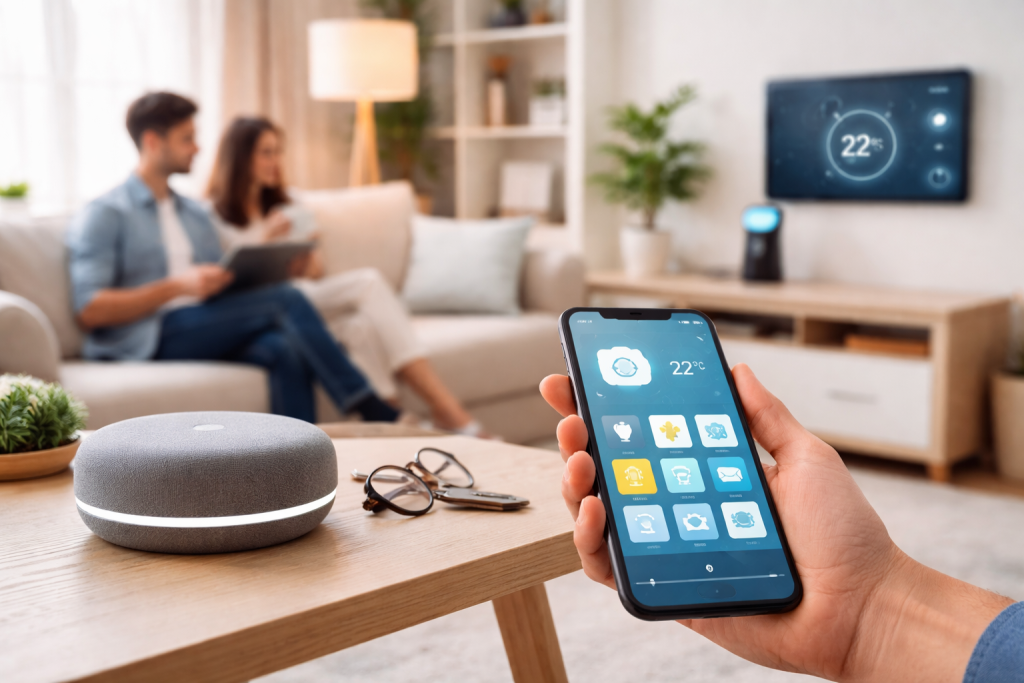
The transformation began with the introduction of devices that put computing power and internet connectivity into our pockets. These are not just tools for communication; they have become extensions of ourselves, portals to information, and orchestrators of our digital lives.
The Smartphone Revolution
The early 2000s saw the emergence of devices that blurred the lines between phones and computers. These were not merely devices to make calls or send texts; they offered access to a world of applications, information, and services. The touchscreen interface and intuitive operating systems made advanced computing accessible to a wide audience. This accessibility democratized information and entertainment, placing a global library and a personal cinema in the palm of your hand. App stores became bustling marketplaces, fostering innovation and creating entirely new industries. From personal finance to health tracking, applications tailored to specific needs proliferated, embedding the smartphone as an indispensable part of daily existence for billions. This device became the central hub for managing work, social connections, and personal interests, a constant companion in a world that demanded more connectivity.
The Dawn of Smart Devices
Building on the connectivity established by smartphones, other devices began to acquire “intelligence.” This intelligence came in the form of sensors, processors, and network capabilities, allowing them to connect to the internet and communicate with other devices. This marked a shift from single-purpose gadgets to interconnected systems, capable of performing tasks autonomously or in concert with user input. This was the initial trickle of what would become a flood of smart technologies, promising convenience and efficiency.
As smartphones became ubiquitous, the concept of a “smart home” moved from science fiction to a tangible reality. This evolution is characterized by devices within a home that can be remotely controlled, automated, and that learn from user behavior.
Automation of Home Systems
Home automation initially focused on convenience and security. Thermostats learned schedules and adjusted temperatures for optimal comfort and energy savings. Lighting systems could be controlled remotely, allowing users to turn lights on or off from anywhere. Security cameras provided remote monitoring, offering peace of mind. These early systems laid the groundwork for a more integrated and intelligent living environment. Think of it as giving your home a nervous system, allowing it to respond to your needs without constant manual intervention.
The Rise of Voice Control
The integration of voice assistants was a pivotal moment in smart home adoption. Devices like smart speakers provided a natural language interface, allowing users to control devices, access information, and manage tasks with simple voice commands. This removed the need for explicit user interaction with apps or physical controls for many functions, making technology even more seamless and accessible. The spoken word became a new remote control, a more intuitive way to command your environment.
Interconnectivity and Ecosystems
The true power of the smart home lies in the ability of its various components to communicate and work together. A smart security system might disarm when a user’s smartphone is detected arriving home, simultaneously adjusting the thermostat and turning on lights. These interconnected ecosystems create a more responsive and personalized living experience. This layered approach to technology allows for a symphony of devices working in harmony, rather than individual instruments playing solo.
Artificial intelligence (AI) is the engine driving the increasing sophistication of smart technology. AI enables devices to learn, adapt, and make decisions, moving beyond simple pre-programmed responses.
Machine Learning in Smart Devices
Machine learning algorithms allow smart devices to analyze patterns in user behavior and environmental data. A smart thermostat, for instance, can learn your preferred temperature settings at different times of the day and even anticipate your needs based on weather forecasts. Smart security systems can learn to distinguish between normal activity and potential threats, reducing false alarms. This learning capability is crucial for devices to evolve and become more helpful over time, like a diligent assistant who understands your preferences without explicit instruction.
Personalization and Predictive Capabilities
AI-powered smart homes can offer a high degree of personalization. They can learn individual preferences within a household, adjusting lighting, music, and even entertainment recommendations accordingly. Predictive capabilities are also emerging, with systems anticipating needs before they arise. For example, a smart refrigerator might alert you when you’re running low on a staple item and even suggest recipes based on available ingredients. This transforms the home from a passive environment into an active participant in your daily life.
Natural Language Processing
The advancements in natural language processing (NLP) have been instrumental in the widespread adoption of voice assistants. NLP allows these devices to understand and interpret human speech, even with variations in accents, tone, and sentence structure. This makes interacting with AI-powered devices feel more natural and less like issuing commands to a machine. It’s like having a conversation rather than issuing orders.
Smart technology is no longer confined to specific tasks; it is seamlessly woven into the fabric of our daily lives, influencing everything from waking up to going to sleep.
Morning Routines and Wake-Up Calls
The day often begins with smart technology. Instead of a jarring alarm clock, a smart speaker can gently wake you with personalized music or nature sounds. Lights can gradually illuminate the room, simulating a sunrise. News briefings and weather reports can be delivered audibly, setting the tone for the day. This thoughtful initiation to the day sets a different rhythm than a traditional abrupt awakening.
Managing Work and Productivity
Smartphones and their associated applications have fundamentally changed how we manage our professional lives. Mobile access to email, calendars, and collaborative tools allows for work to be done from virtually anywhere. Smart home devices can also support productivity, such as smart lighting that adjusts to optimal levels for focused work. The lines between work and home life have blurred, and smart tech facilitates this new hybrid model.
Leisure and Entertainment
The way we consume entertainment has been revolutionized. Streaming services accessible on smartphones, tablets, and smart TVs offer on-demand access to vast libraries of content. Smart home systems can manage media playback across different devices and create immersive audio-visual experiences. Personalizing entertainment preferences through AI further enhances the leisure experience.
Evening Relaxation and Sleep
As the day winds down, smart technology can contribute to relaxation and better sleep. Smart lighting can shift to warmer, dimmer hues to promote relaxation. White noise machines or ambient soundscapes can be activated. Sleep tracking devices can provide insights into sleep patterns, helping users optimize their rest. This considerate winding down of the day supports overall well-being.
The evolution of smart technology is far from over. Innovations are constantly emerging, promising even more integrated, intuitive, and personalized experiences.
Enhanced AI and Predictive Analytics
Future AI will likely be more sophisticated, with even greater predictive capabilities. Smart systems will become more proactive in anticipating needs and solving problems before they arise. This could range from anticipating traffic disruptions and rerouting journeys to managing household energy consumption proactively based on projected demand. The goal is a technology that feels less like a tool and more like an intelligent assistant anticipating your every need.
The Internet of Things (IoT) Expansion
The Internet of Things (IoT) will continue to expand, connecting an ever-increasing number of devices to the network. This includes everything from wearable fitness trackers that provide real-time health data to smart appliances that can order their own supplies. This expansive network promises a world where almost every object can communicate and contribute to a larger, intelligent system.
Advancements in Connectivity and Speed
The development of faster and more reliable network technologies, such as 5G and future iterations, will be crucial for the seamless operation of a highly connected smart environment. These advancements will enable more complex data sharing and real-time processing, supporting more demanding applications and a greater density of connected devices. This enhanced connectivity is the circulatory system for the intelligent home.
Augmented Reality and Virtual Reality Integration
The integration of augmented reality (AR) and virtual reality (VR) with smart home technology could unlock new ways of interacting with our environment. Imagine virtually remodeling your living room with smart furniture or receiving AR overlays with information about your home’s systems. These immersive technologies could add new dimensions to both utility and entertainment.
The Evolution of Human-Machine Interaction
Interactions with smart technology will continue to become more natural and intuitive. Beyond voice commands, advancements in gesture recognition and even brain-computer interfaces could offer new avenues for human-machine communication. The aim is to make technology fade into the background, becoming a natural extension of human intent.
While smart homes offer numerous advantages, they also present a unique set of challenges that users must consider.
Convenience and Efficiency
The most obvious benefit is convenience. Tasks that once required manual effort can now be automated. Energy management systems can lead to significant cost savings. Smart security systems provide enhanced safety and peace of mind. These efficiencies free up time and mental energy, allowing individuals to focus on more important aspects of their lives.
Enhanced Comfort and Personalization
Smart homes can create incredibly comfortable and personalized living environments. The ability to control lighting, temperature, and entertainment to precise preferences enhances the overall living experience. This level of customization goes beyond simple adjustments, creating a space that truly adapts to its occupants.
Accessibility for All
Smart technology has the potential to greatly improve accessibility for individuals with disabilities. Voice control and automated systems can empower people with mobility impairments to manage their homes more independently. This democratization of control can significantly improve quality of life.
The Digital Divide
A significant challenge is the digital divide. Access to smart technology and reliable internet connectivity is not universal. This can exacerbate existing inequalities, creating a gap between those who can benefit from these advancements and those who cannot.
Technical Issues and Reliability
Smart devices, like any technology, can experience glitches, bugs, or connectivity issues. Troubleshooting complex interconnected systems can be frustrating and time-consuming. Reliance on these systems means that their failures can have a significant impact on daily life.
Cost of Adoption and Maintenance
The initial cost of purchasing and installing smart home devices can be substantial. Furthermore, ongoing maintenance, subscription fees for some services, and the potential need for upgrades can add to the long-term financial commitment.
The widespread adoption of smart technology raises important ethical and privacy questions that demand careful consideration.
Data Collection and Usage
Smart devices collect vast amounts of data about user behavior, preferences, and even personal conversations. The ethical implications of how this data is collected, stored, used, and protected are paramount. Transparency from manufacturers about data practices is crucial.
Security Vulnerabilities
The interconnected nature of smart homes presents security vulnerabilities. A breach in one device could potentially compromise the entire network, leading to unauthorized access to personal information or control over home systems. Robust security measures are essential.
Algorithmic Bias
AI algorithms are trained on data, and if that data reflects societal biases, the algorithms can perpetuate and even amplify those biases. This can lead to unfair or discriminatory outcomes in areas like personalized recommendations or security threat identification.
The Erosion of Privacy
The constant monitoring and data collection inherent in smart homes can lead to a perceived or actual erosion of privacy. Users may feel that their homes are no longer private sanctuaries but rather spaces where their actions are constantly observed and analyzed. This raises questions about the balance between convenience and personal autonomy.
Consent and Control Over Personal Data
Ensuring that users have a clear understanding and control over the data being collected from their smart devices is a critical ethical consideration. Informed consent regarding data usage and the ability to opt out or limit data collection are vital components of responsible technology implementation. The power dynamic between large tech companies and individual users regarding data ownership requires ongoing scrutiny.
FAQs
1. How has the evolution of technology, from smartphones to smart homes, transformed daily life?
The evolution of technology has significantly impacted daily life by providing convenience, efficiency, and connectivity. Smartphones have revolutionized communication, access to information, and entertainment, while smart homes have automated and streamlined various household tasks, such as lighting, security, and temperature control.
2. What is the impact of smart technology on home automation?
Smart technology has revolutionized home automation by allowing homeowners to control and monitor various aspects of their homes remotely. This includes the ability to adjust lighting, heating, and security systems through smartphone apps or voice commands, leading to increased energy efficiency and convenience.
3. What role does artificial intelligence play in smart homes?
Artificial intelligence (AI) plays a crucial role in smart homes by enabling devices to learn and adapt to homeowners’ preferences and behaviors. AI-powered smart devices can anticipate needs, optimize energy usage, and provide personalized experiences, ultimately enhancing the overall efficiency and convenience of home automation.
4. How are smart devices integrated into daily routines?
Smart devices are seamlessly integrated into daily routines through automation and connectivity. For example, smart thermostats can adjust the temperature based on the homeowner’s schedule, while smart speakers can provide weather updates, news, and reminders, enhancing productivity and convenience in daily life.
5. What are the benefits and challenges of living in a smart home?
Living in a smart home offers numerous benefits, including increased energy efficiency, convenience, and security. However, challenges such as privacy concerns, potential cybersecurity risks, and the initial cost of implementing smart technology should be carefully considered when transitioning to a smart home environment.