Streamline Your Workflow: How Task Management Software Can Transform Your Business
In today’s fast-paced business environment, efficiency is paramount. Organizations are constantly seeking ways to optimize their operations, reduce bottlenecks, and ensure that every team member is working effectively toward common goals. This relentless pursuit of productivity often leads businesses to explore technological solutions, and among the most impactful is task management software. These powerful tools go beyond simple to-do lists, offering a comprehensive framework for organizing, executing, and tracking work, ultimately transforming how businesses function. The benefits are far-reaching, impacting everything from individual output to overarching strategic objectives. Understanding the nuances of task management software and its implementation is crucial for any business aiming to thrive in the modern landscape.
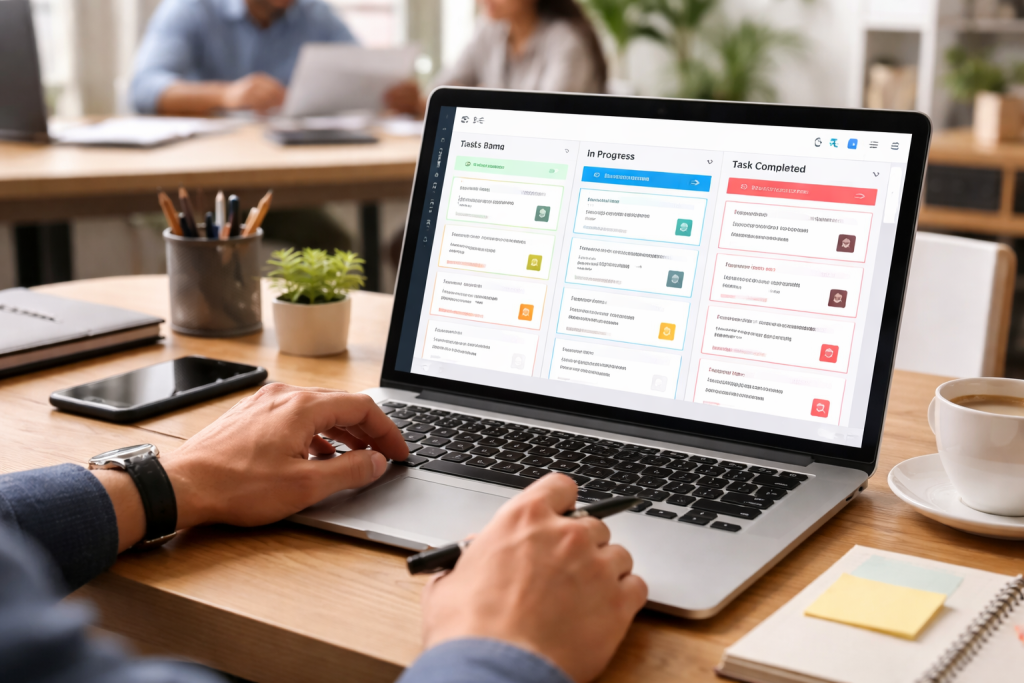
The Multifaceted Benefits of Task Management Software for Business Efficiency
At its core, task management software is designed to bring order to the often-chaotic nature of business operations. It provides a centralized hub where all tasks, projects, and deadlines can be clearly defined and managed. This clarity is the first step towards significant efficiency gains. When team members know exactly what needs to be done, by whom, and by when, procrastination and confusion are significantly minimized. This clarity extends to project managers and leadership, who gain invaluable visibility into the progress of all initiatives, allowing them to proactively identify potential issues and reallocate resources as needed. The ability to break down complex projects into smaller, manageable tasks further democratizes responsibility and makes daunting objectives feel achievable. This granular approach not only boosts individual motivation but also fosters a sense of shared ownership and accountability across the team.
Enhanced Communication and Collaboration
One of the most profound benefits of task management software lies in its ability to foster seamless communication and collaboration. Instead of relying on scattered email chains, instant messages, or hallway conversations, all pertinent information, discussions, and files related to a specific task or project are housed within the software. This creates a single source of truth, ensuring that everyone is working with the most up-to-date information. Team members can leave comments, tag colleagues, and provide real-time updates directly within the task, eliminating the need for constant follow-ups and reducing the risk of miscommunication. This integrated communication stream also creates a valuable audit trail, making it easy to review past decisions and understand the evolution of a project. This transparency builds trust and promotes a more cohesive working environment.
Improved Time Management and Deadline Adherence
The inherent structure of task management software places a strong emphasis on deadlines. By assigning due dates to every task, the software acts as a constant reminder of upcoming commitments. Features like automated reminders and notifications proactively alert users to approaching deadlines, preventing tasks from falling through the cracks. This proactive approach to time management not only ensures that individual tasks are completed on time but also contributes to the timely completion of entire projects. Furthermore, the ability to visualize tasks and their associated deadlines through various views, such as calendars or Gantt charts, allows for better strategic planning and resource allocation, preventing last-minute rushes and the associated stress and potential for errors.
Centralized Information and Document Management
Gone are the days of searching through endless folders or email archives for critical documents. Task management software often integrates robust document management capabilities. Attachments can be directly linked to the relevant tasks, ensuring that all necessary files are readily accessible to the entire team. This centralization not only saves time but also reduces the risk of using outdated versions of documents. Version control features further enhance this benefit, allowing teams to track changes and revert to previous iterations if necessary. This organized approach to information management is a cornerstone of efficient operations, ensuring that everyone has the information they need, precisely when they need it.
Streamlining Your Workflow: How Task Management Software Makes a Difference
The term “streamlining” implies making a process more efficient and effective by eliminating unnecessary steps or complexities. Task management software excels at this by providing a structured and organized framework that guides the entire workflow. It moves businesses away from ad hoc methods of work assignment and tracking towards a more systematic and predictable approach. This systematic approach is vital for scaling operations and ensuring consistency across different projects and teams.
Project Planning and Breakdown
Before work even begins, task management software empowers teams to meticulously plan their projects. Complex projects can be broken down into smaller, more digestible tasks, each with its own owner and deadline. This decomposition makes the overall project feel less overwhelming and allows for more accurate estimations of time and resources. Dependencies between tasks can also be clearly defined, ensuring that work is sequenced logically and that potential bottlenecks are identified early in the planning phase. This proactive planning significantly reduces the likelihood of unforeseen delays and costly rework.
Task Prioritization and Allocation
Not all tasks are created equal, and effective prioritization is key to maximizing output. Task management software allows for the assignment of priority levels to tasks, ensuring that the most critical items are addressed first. This can be done manually or, in some advanced systems, through automated rules based on predefined criteria. Similarly, the software facilitates efficient task allocation. Managers can easily assign tasks to individuals or teams based on their skills, availability, and workload, ensuring that resources are utilized optimally and that no one is overburdened or underutilized.
Progress Tracking and Performance Monitoring
A critical aspect of streamlining is the ability to monitor progress and identify areas for improvement. Task management software provides real-time visibility into the status of all tasks and projects. This allows managers to quickly see which tasks are on track, which are falling behind, and who might be struggling. Some software offers customizable dashboards and reporting features that provide valuable insights into team performance, project completion rates, and potential areas of inefficiency. This data-driven approach enables informed decision-making and continuous process optimization.
Enhancing Productivity with Task Management Software
Productivity is the ultimate goal for any business, and task management software serves as a powerful catalyst for its enhancement. By providing clarity, structure, and tools for effective collaboration, these platforms empower individuals and teams to achieve more in less time. The focus shifts from simply managing tasks to strategically executing them with a high degree of efficiency.
Reduced Context Switching and Improved Focus
One of the biggest drains on productivity is constant context switching. When employees are juggling multiple communication channels, searching for information, and trying to recall their next steps, valuable cognitive energy is expended. Task management software consolidates all task-related information in one place, allowing employees to focus on the work at hand without the constant distraction of searching for what’s next. This focused approach leads to higher-quality work and increased output.
Clear Roles and Responsibilities
With clearly defined tasks and assigned owners, there is no ambiguity about who is responsible for what. This clarity eliminates the “someone else will do it” mentality and fosters a sense of individual accountability. When everyone understands their role and the impact of their contributions on the overall project, they are more likely to be motivated and dedicated to completing their tasks effectively. This clear delineation of responsibilities also simplifies performance reviews and helps in identifying training needs.
Performance Metrics and Feedback Loops
Many task management solutions offer features that allow for the tracking of individual and team performance against set goals and deadlines. This data can be invaluable for providing constructive feedback and identifying areas where individuals or teams might need additional support or training. Establishing clear performance metrics and utilizing them to create feedback loops can foster a culture of continuous improvement, where employees are encouraged to develop their skills and contribute to greater overall productivity.
The Role of Task Management Software in Business Transformation
Beyond day-to-day efficiency, task management software plays a pivotal role in larger business transformations. As organizations evolve, adopt new strategies, or integrate new technologies, having a robust framework for managing change is essential. Task management software provides that framework, enabling smoother transitions and more successful outcomes.
Agile Project Management and Iterative Development
In today’s dynamic market, many businesses are embracing agile methodologies for project management. Task management software is a natural fit for agile environments, facilitating iterative development, rapid prototyping, and continuous feedback. Features like Kanban boards and Scrum sprint planning tools within these platforms help teams to adapt quickly to changing requirements and deliver value incrementally. This flexibility is crucial for staying competitive and responding effectively to market demands.
Strategic Goal Alignment and Execution
Task management software can be instrumental in connecting day-to-day tasks to overarching strategic business goals. By mapping individual tasks and projects to specific strategic objectives, leadership can ensure that the efforts of the entire organization are aligned towards achieving key outcomes. This visibility allows for better resource allocation to initiatives that drive strategic growth and for the identification of any misalignments that need to be addressed.
Scalability and Growth Management
As a business grows, managing an increasing number of projects, tasks, and team members becomes exponentially more complex. Task management software provides the scalability needed to handle this complexity. It offers a standardized system that can be adopted by new teams and projects without the need for reinventing the wheel. This ensures that efficiency gains are sustained and that growth does not lead to operational chaos.
Implementing Task Management Software: Tips for Success
The benefits of task management software are undeniable, but realizing them requires careful planning and thoughtful implementation. Simply deploying a tool without a strategy is unlikely to yield the desired results. A successful implementation involves engaging the team, defining clear processes, and providing adequate training and support.
Define Your Needs and Objectives Clearly
Before embarking on the search for software, it is crucial to clearly define your business’s specific needs and objectives. What are the biggest pain points in your current workflow? What do you hope to achieve by implementing task management software? Are you looking to improve project completion rates, enhance team collaboration, or streamline specific operational processes? Answering these questions will guide your selection of the right software and ensure it aligns with your strategic vision.
Involve Your Team in the Selection and Adoption Process
The success of any new technology hinges on user adoption. Therefore, it is crucial to involve your team in the software selection process. Gather their feedback on potential features and user interfaces. When the team feels heard and has a stake in the decision, they are more likely to embrace the new system. Provide comprehensive training and ongoing support to ensure everyone is comfortable and proficient with the chosen software.
Start Small and Scale Gradually
When introducing a new task management system, it can be beneficial to start with a pilot program involving a smaller team or a specific project. This allows you to test the software, identify any potential challenges, and refine your implementation strategy before rolling it out across the entire organization. This iterative approach reduces the risk of widespread disruption and ensures a smoother transition.
Establish Clear Processes and Best Practices
The software itself is only a tool; the true transformation comes from how it is used. Develop clear processes and best practices for task creation, assignment, updates, and closure. Document these guidelines and ensure they are communicated effectively to all team members. Consistent application of these processes will maximize the software’s effectiveness and ensure that everyone is working in a standardized and efficient manner.
Regular Review and Optimization
Task management software is not a “set it and forget it” solution. Regularly review your usage of the software, gather feedback from your teams, and identify areas for optimization. Are there features that are underutilized? Are there workflows that could be further streamlined? Continuous evaluation and adaptation will ensure that your task management strategy remains relevant and continues to drive efficiency and productivity.
Maximizing Efficiency: How Task Management Software Can Improve Your Business Operations
The overarching theme of task management software is the quantifiable improvement of business operations. By bringing order, clarity, and accountability to every aspect of work, companies can unlock significant gains in efficiency, reduce waste, and ultimately boost their bottom line. The shift from reactive problem-solving to proactive planning and execution is one of the most impactful changes that task management software can facilitate.
Reduced Errors and Rework
When tasks are clearly defined, dependencies are understood, and information is readily accessible, the likelihood of errors and the need for rework are drastically reduced. This not only saves time and resources but also improves the overall quality of the final product or service. A well-managed task ensures that all necessary steps are accounted for, minimizing the chances of crucial details being overlooked.
Better Resource Allocation and Utilization
Task management software provides a clear overview of team workloads and project timelines. This allows managers to make informed decisions about resource allocation, ensuring that the right people are assigned to the right tasks at the right time. It helps prevent bottlenecks caused by overburdened individuals and ensures that no valuable resources are left idle. Optimal resource utilization is a direct contributor to enhanced operational efficiency.
Increased Accountability and Ownership
By assigning tasks and deadlines, task management software cultivates a culture of accountability. Each team member understands their responsibilities and the impact of their contributions. This sense of ownership often leads to increased engagement and a stronger commitment to delivering high-quality work within the agreed-upon timelines. Managers can easily track individual progress and provide targeted support or recognition where needed.
Improved Communication Flow and Information Accessibility
As discussed earlier, centralized communication dramatically improves efficiency. When all project-related discussions and information are in one place, team members spend less time searching for updates or clarifying details and more time actively working on their tasks. This streamlined communication flow reduces delays and prevents misunderstandings, which are common causes of operational inefficiencies.
Choosing the Right Task Management Software for Your Business Needs
The market for task management software is vast, with numerous options catering to different business sizes, industries, and specific requirements. Making an informed decision requires a thorough understanding of your own needs and a careful evaluation of the available solutions.
Consider Your Budget and Scalability Needs
The cost of task management software can vary significantly, from free basic versions to enterprise-level solutions with advanced features. Determine your budget upfront and consider how the software will scale with your business. Will it be able to accommodate a growing number of users and projects without becoming prohibitively expensive? Look for pricing models that offer flexibility as your needs evolve.
Evaluate Key Features and Functionality
Different task management tools offer a diverse range of features. Consider which features are essential for your business. Do you need robust project management capabilities like Gantt charts and dependency mapping? Is integration with other tools, such as calendars, email clients, or CRM systems, a priority? Are collaboration features, like real-time chat and document sharing, crucial? Create a checklist of must-have features and compare them across different software options.
User Interface and Ease of Use
The most powerful software is useless if your team finds it difficult to use. Prioritize software with an intuitive and user-friendly interface. A steep learning curve can deter adoption and negatively impact productivity. Most task management software providers offer free trials, which are invaluable for testing the user experience and assessing how well it aligns with your team’s technical proficiency.
Integration Capabilities with Existing Tools
In today’s interconnected business landscape, seamless integration with your existing technology stack is often a critical factor. Does the task management software integrate with your email provider, calendar, cloud storage solutions, or other essential business applications? This interoperability can significantly streamline workflows and eliminate manual data entry, further enhancing efficiency.
Support and Customer Service
Even the most user-friendly software can sometimes present challenges. Evaluate the level of customer support offered by the software provider. Do they offer comprehensive documentation, FAQs, and responsive customer service channels? Reliable support can be a lifesaver when troubleshooting issues or seeking guidance on how to best leverage the software’s capabilities.
FAQs
What is task management software, and how does it work?
Task management software is a tool that helps businesses organize, prioritize, and track tasks and projects. It allows users to create tasks, assign them to team members, set deadlines, and monitor progress. This software typically includes features such as task lists, calendars, reminders, and collaboration tools to streamline workflow and improve efficiency.
What are the benefits of using task management software for business efficiency?
Task management software can improve business efficiency by providing a centralized platform for task organization and tracking, reducing the likelihood of tasks falling through the cracks. It also helps teams prioritize tasks, allocate resources effectively, and collaborate more seamlessly. Additionally, task management software can provide valuable insights into productivity and performance, enabling businesses to make data-driven decisions for process improvement.
How can task management software make a difference in streamlining workflow?
Task management software can streamline workflow by providing a clear overview of all tasks and projects, allowing for better prioritization and resource allocation. It also facilitates communication and collaboration among team members, reducing the need for lengthy email chains and meetings. By automating task assignment and tracking, this software can help businesses save time and ensure that nothing gets overlooked.
What role does task management software play in business transformation?
Task management software plays a crucial role in business transformation by enabling organizations to optimize their processes, improve productivity, and adapt to changing market demands. By implementing task management software, businesses can foster a culture of accountability, transparency, and continuous improvement, ultimately driving overall transformation and growth.
What are some tips for successfully implementing task management software in a business?
To successfully implement task management software, businesses should first assess their specific needs and choose a software solution that aligns with their goals and workflows. It’s important to provide thorough training and support for employees to ensure adoption and usage. Additionally, businesses should regularly evaluate the software’s effectiveness and make adjustments as needed to maximize its impact on business operations.