The Real Cost of Identity Theft: How It Can Impact Your Finances and Reputation
Identity theft is a prevalent crime with far-reaching consequences that extend beyond immediate financial losses. Its impact can be likened to a slow-burning fire, gradually consuming various aspects of an individual’s life. Understanding these implications is crucial for prevention and recovery.
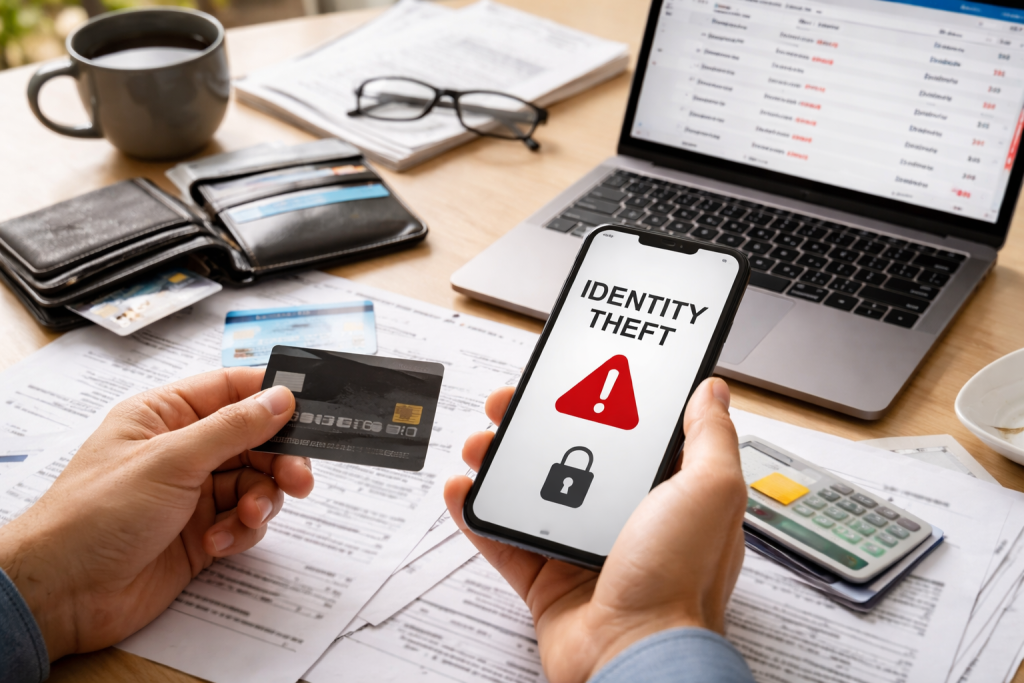
Financial Devastation: The Immediate and Lasting Impact
The most apparent consequence of identity theft is financial loss. This can manifest in numerous ways, from direct monetary drain to long-term credit damage, making it a critical area of concern for victims.
Direct Financial Depletion
When an identity thief gains access to your financial accounts, the immediate impact is often the unauthorized spending of your funds. This can include:
- Unauthorized withdrawals: Funds may be directly withdrawn from bank accounts, often through ATMs or fraudulent transfers. The thief might empty checking or savings accounts, leaving the victim with insufficient funds for daily expenses.
- Credit card fraud: Stolen credit card information can be used to make purchases, both online and in physical stores. These transactions accumulate rapidly, leading to substantial debt that the victim is initially responsible for disputing.
- Loan and line of credit fraud: Identity thieves may open new credit cards, personal loans, or even mortgages in your name. This creates a debt load that you are unaware of, impacting your credit score and future borrowing capacity. Imagine finding yourself suddenly liable for a sum you never intended to borrow, a significant financial burden.
- Tax fraud: By filing fraudulent tax returns in your name, thieves can divert refunds to their accounts. This can lead to delays in your legitimate tax refund and potential investigations by tax authorities.
- Investment account access: For individuals with investment portfolios, thieves gaining access can lead to the unauthorized sale of securities and the transfer of funds. This can result in significant capital losses and complex recovery processes.
Credit Score Erosion
Beyond direct financial losses, identity theft significantly damages an individual’s credit score. This metric, a numerical representation of your creditworthiness, is vital for many aspects of modern life.
- defaultsLate payments and defaults: Fraudulent accounts opened in your name will inevitably incur late payments or default if not promptly addressed. Each negative mark on your credit report contributes to a lower credit score.
- Increased debt-to-income ratio: The new, fraudulent debts increase your reported debt load without an increase in your income, negatively impacting your debt-to-income ratio. This ratio is a key indicator for lenders.
- Multiple credit inquiries: Identity thieves often apply for multiple lines of credit, leading to numerous hard inquiries on your credit report. Each hard inquiry can slightly decrease your score, and a cluster of them can signal high-risk behavior to lenders.
A damaged credit score acts as a barrier, preventing access to essential services and opportunities. It can make it challenging to rent an apartment, purchase a car, obtain a mortgage, or even secure certain types of employment. The ripples of this damage extend far into the future, making financial rebuilding a prolonged endeavor.
Reputational Damage: A Tarnished Identity
Identity theft isn’t solely a financial problem; it can also cause significant damage to an individual’s reputation, both personal and professional.
Professional Setbacks
Your professional reputation can be inadvertently harmed by identity theft, even if the fraud itself is not directly work-related.
- Employment background checks: Many employers conduct background checks, which often include a review of credit history. Even if the issues are not your fault, a severely damaged credit score due to identity theft can raise concerns for potential employers, suggesting a lack of financial responsibility. These issues can cost you job opportunities.
- Professional licenses and certifications: Certain professions require clean financial records or ongoing background checks to maintain licenses or certifications. Identity theft leading to financial distress or legal complications can jeopardize these credentials.
- Loss of trust: In professions requiring high levels of trust, such as finance or law, even the appearance of financial instability or involvement in fraudulent activities can damage client and colleague confidence.
Personal Reputation Stains
The impact on personal reputation can be more subtle but equally corrosive.
- Social stigma: While individuals are increasingly aware of identity theft, there can still be a social stigma associated with being a victim, particularly if the theft leads to public records of debt or legal action.
- Difficulty with personal transactions: Renting an apartment, obtaining insurance, or even signing up for utilities often involves credit checks. A fraudulent credit history can create significant obstacles in these everyday personal transactions.
- Legal entanglements: In some severe cases, identity thieves may commit crimes under your name, leading to an arrest warrant issued for you. This can result in wrongful arrests, legal fees, and the arduous process of clearing your name. Imagine being mistaken for a criminal because someone else wore your identity as a mask.
Psychological Toll: The Invisible Wounds
Beyond the tangible financial and reputational damage, identity theft inflicts a significant psychological toll on its victims. This emotional burden is often overlooked but can be debilitating.
Stress and Anxiety
The realization of being a victim of identity theft often triggers a cascade of negative emotions.
- Overwhelm: The sheer volume of tasks required to resolve identity theft—contacting banks, credit bureaus, law enforcement, and government agencies—can be overwhelming. Each phone call and piece of documentation adds to this burden.
- Fear and insecurity: Victims often feel a profound sense of violation. The knowledge that someone has accessed their personal information can lead to enduring fears about future attacks and a loss of personal security. This sensation can be akin to feeling constantly watched.
- Distrust: The breach of trust can extend to institutions and even personal relationships, making victims more hesitant to share information or engage in online activities.
Emotional Distress
The emotional repercussions can be profound and long-lasting.
- Anger and frustration: Victims often experience intense anger at the perpetrators and frustration with the sometimes slow and bureaucratic processes of recovery.
- Helplessness: The feeling of losing control over one’s own identity and finances can lead to profound helplessness, impacting mental well-being.
- Depression: For some, the prolonged stress, financial hardship, and sense of violation can contribute to symptoms of depression.
- Sleep disturbances: Worry about financial recovery and future security can disrupt sleep patterns, leading to fatigue and diminished cognitive function.
Time and Effort: The Recovery Journey
The process of recovering from identity theft is not a swift or simple one. It demands a substantial investment of time and effort, serving as an additional, often unquantified, cost.
Investigative and Remedial Actions
Once aware of identity theft, victims must take immediate and exhaustive steps to mitigate the damage.
- Reporting to authorities: Filing a police report is a critical step, often required by financial institutions or credit bureaus to initiate fraud investigations. This involves documentation, interviews, and follow-up.
- Notifying financial institutions: You must individually contact each affected bank, credit card company, or loan provider. This often involves lengthy phone calls, submitting affidavits, and providing detailed information about fraudulent activities.
- Contacting credit bureaus: Placing fraud alerts and credit freezes with the three major credit bureaus (Equifax, Experian, and TransUnion) is essential to prevent further fraudulent accounts from being opened. This is not a one-time task; monitoring is ongoing.
- Reviewing credit reports: Regularly obtaining and meticulously reviewing credit reports from all three bureaus is crucial to identify any unauthorized accounts or inquiries. Disputing fraudulent entries is a significant undertaking.
- Changing compromised information: This procedure includes changing passwords for online accounts, updating security questions, and potentially obtaining new government-issued identification if that was compromised.
Ongoing Vigilance
Recovery is not an event but a process. Even after initial remediation, victims must maintain a high level of vigilance.
- Credit monitoring: Subscribing to credit monitoring services or regularly checking credit reports is often necessary for months or even years post-incident to ensure no new fraudulent activity occurs.
- Account monitoring: Regularly reviewing bank and credit card statements for unfamiliar transactions becomes a routine necessity.
- Learning new security habits: Adopting stronger password practices, being wary of phishing attempts, and understanding security best practices become essential defensive mechanisms against future attacks.
The time spent on these tasks can be immense, diverting focus from work, family, and personal pursuits. It is an unseen cost, a tax on your personal bandwidth.
Legal and Administrative Hurdles: Navigating the Bureaucracy
| Impact | Description |
|---|---|
| Financial Loss | Identity theft can result in financial loss due to unauthorized transactions, fraudulent loans, or stolen funds. |
| Credit Score Damage | Identity theft can lead to a damaged credit score, making it difficult to obtain loans or credit cards in the future. |
| Legal Fees | Victims of identity theft may incur legal fees while trying to resolve the issue and restore their identity. |
| Emotional Distress | Identity theft can cause emotional distress, anxiety, and stress as victims work to regain control of their identity. |
| Reputation Damage | Identity theft can damage a person’s reputation, leading to distrust from financial institutions, employers, and others. |
Identity theft often thrusts individuals into a complex bureaucratic and sometimes legal landscape, requiring navigation through various administrative hurdles.
Dealing with Government Agencies
Multiple government agencies may become involved, depending on the nature of the theft.
- Social Security Administration (SSA): If your Social Security number is compromised, you may need to cooperate with the SSA to protect your identity from further misuse, particularly for employment or benefits fraud.
- Internal Revenue Service (IRS): Cases of tax fraud require direct interaction with the IRS to prove your identity and resolve fraudulent tax filings. Legitimate refunds often face delays due to this lengthy process.
- Department of Motor Vehicles (DMV): If your driver’s license or state ID is compromised, obtaining a new one and addressing any related fraudulent activities (e.g., traffic tickets issued in your name) involves interaction with local DMVs.
Potential for Legal Action
While less common for individual victims, severe cases of identity theft can necessitate legal action.
- Debt collection agencies may pursue victims for fraudulent debts. While you are not legally responsible for debts incurred by an identity thief, proving this can involve providing extensive documentation and potentially engaging legal counsel to cease collection efforts. Such an incident can feel like a secondary attack.
- Lawsuits: In rare instances, victims might need to pursue legal action against financial institutions that were negligent in protecting their information, or even against the identity thief if they are identified and pursued by law enforcement. However, directly suing the thief is often impractical due to their anonymity and lack of assets.
- Legal fees: Should legal counsel become necessary to resolve disputes, clear your name, or navigate complex recovery issues, the associated legal fees can become another significant financial burden.
The administrative burden of identity theft can feel like deciphering a labyrinth, with each turn presenting new documentation requirements, agency contacts, and potential complications. It requires perseverance and meticulous recordkeeping to successfully navigate.
In conclusion, identity theft is not just a crime that costs money; it is an attack on a person’s whole way of life. The costs are manifold, spanning financial depletion and credit erosion, reputational damage, significant psychological distress, extensive time and effort for recovery, and administrative and legal hurdles. Proactive measures, such as monitoring financial accounts, using strong passwords, and exercising caution with personal information, are the best defenses against this pervasive threat. Should you become a victim, a structured and persistent approach to recovery is essential to mitigate the damage and begin the process of rebuilding your financial and personal security.
FAQs
What is identity theft?
Identity theft is when someone steals your personal information, such as your name, Social Security number, or credit card number, to commit fraud or other crimes.
How can identity theft impact your finances?
Identity theft can lead to financial losses if the thief uses your information to make unauthorized purchases, open new credit accounts, or take out loans in your name.
How can identity theft impact your reputation?
Identity theft can damage your reputation if the thief uses your information to engage in criminal activities, leading to legal trouble or a tarnished public image.
What are some common signs of identity theft?
Common signs of identity theft include unauthorized charges on your credit card statements, unfamiliar accounts or loans on your credit report, and receiving bills or collection notices for debts you don’t owe.
How can you protect yourself from identity theft?
You can protect yourself from identity theft by monitoring your financial accounts regularly, using strong and unique passwords, being cautious about sharing personal information online, and shredding documents containing sensitive information before disposing of them.